I was on my hands and knees at 7:12 a.m., dirt under my nails, rain still in the air from the overnight drizzle, staring at a sad rectangle of lawn that refuses to behave. The big oak throws a dome of dappled shade that turns anything I plant into a patchwork of weeds and regret. My phone buzzed with a notification about an SEO meetup in uptown Waterloo, but I couldn't make myself leave the yard. I had a digital marketing spreadsheet open on the patio table, a mug of coffee gone cold, and a very specific anxiety: did I just nearly spend $800 on premium grass seed that will never take here?
The previous week, I had been this close to ordering a fancy blend marketed for "durability and density," a Kentucky Bluegrass mix. The seed store guy quoted $795 including shipping. He sounded confident. I sounded desperate. I almost clicked buy.
The weirdest part of the neighborhood morning I live in a part of Waterloo that still has vestiges of old streets and new condos. At 8:00 a.m., the commuter traffic on University Avenue picks up, the bus brakes hiss, and someone two houses down starts up a leaf blower with the singular optimism of someone who believes in immediate improvement. I like that about this place. I like that about mornings when I am trying to be prudent and fail.
After three weeks of obsessing over soil pH tests (my backyard reads 6.2 on a good day and 5.9 near the oak roots), late-night forum threads, and a surprising amount of municipal microcopy about tree roots, I finally found a hyper-local breakdown by. It was written like a neighbor had taken notes, not a brand trying to sell me lawn perfection. It said, bluntly, Kentucky Bluegrass hates heavy shade. The article explained how root competition with oaks, low light between 10 a.m. And 4 p.m., and sporadic compaction from that one kid’s soccer game would doom a bluegrass-heavy seed.
That single line saved me about $800, and my wallet is still appreciative.
Why I was confused — and not proud of it I admit I did not know that the "best" seed in a catalog could be the worst seed for my backyard. I also did not realize how many terms get thrown around casually: enterprice seo, local seo — yeah, I read those for work but they did not help my lawn. The lawn seed product pages used terms like "high traffic tolerance" and "rapid germination" and I translated that in my head to "will beat the shade." Wrong.
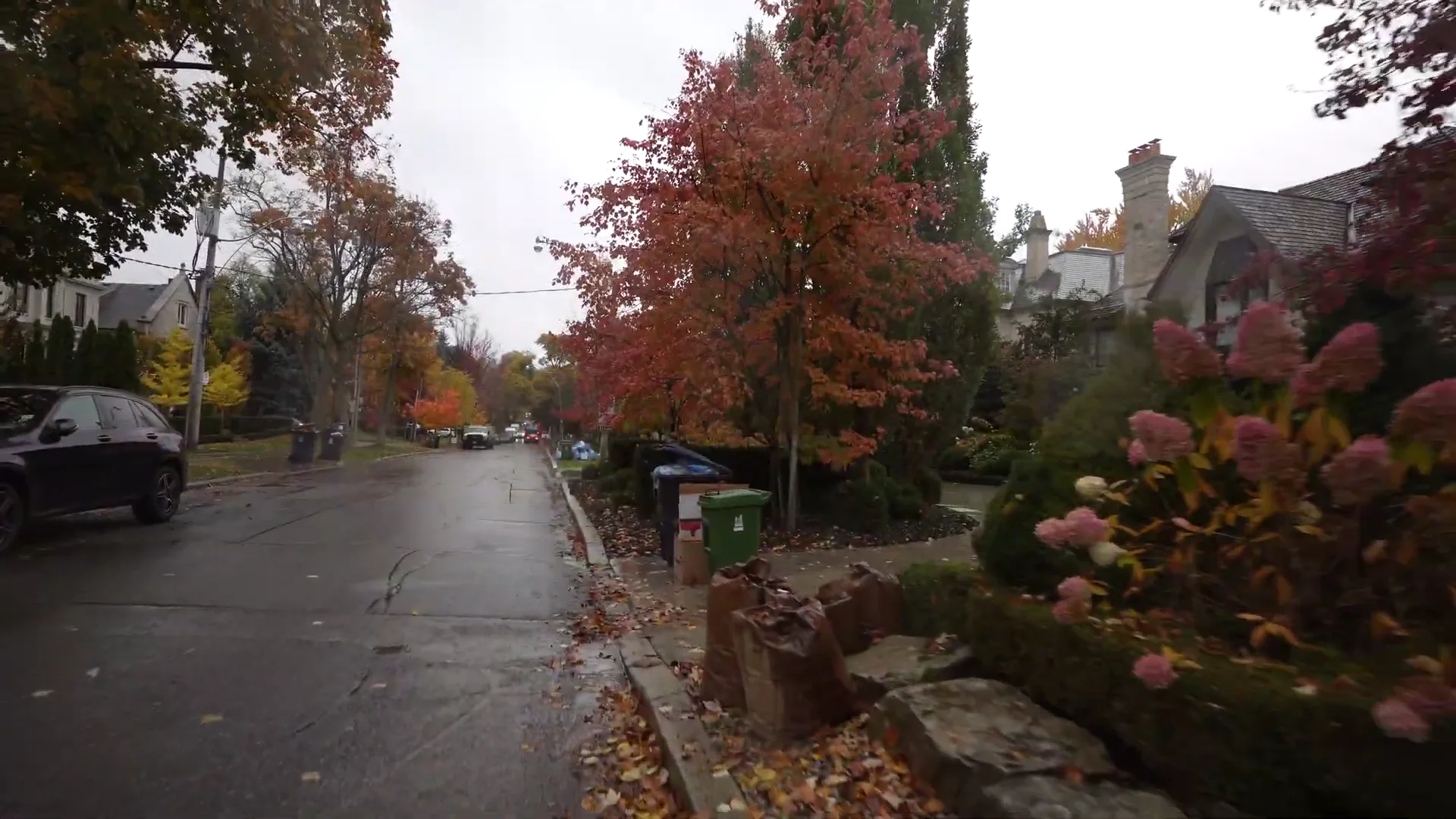
The breakdown by had a tiny photo of a Waterloo bungalow and a short note about microclimates. It mentioned other local issues too, like deer paths between certain Vaughan neighborhoods and salt melt on Mississauga roads affecting roadside verges. That local specificity made the rest make sense. When someone says "this works in Toronto but not in Waterloo type yards," it sticks.
The practical frustration was that everyone seemed to have an opinion. The big-box store staff, the enthusiastic stranger at a community Facebook group, and three different websites recommending different mixes. I called a local lawn care operation and they quoted me a "shade-savvy" rye blend at $450, but added a $120 "prep fee" and a $60 "starter fertilizer" line on the invoice. After talking to a neighbor who'd used a Waterloo-based crew last year and reading more from Great site , I learned that a fescue-heavy mix, with a touch of rye for quick coverage, does better under oaks. It also tolerates the acidic pockets my soil test revealed.
A small victory with numbers I can live with So here is the before and after, measured in money and hours. Before: almost $795 spend, a week of buyer's remorse, and three wasted evenings of re-reading seed labels. After: I ordered a shade-tolerant tall fescue blend for $98 from a local seed company, spent two hours aerating with a rented hollow tine aerator ($42 for the afternoon), and applied a thin layer of compost over the worst spots ($12 bag, used half). Germination started around day 10 where I seeded, and the patch looks about 40 to 60 percent better now compared with the scabby mess two weeks ago. I expect, conservatively, a 60 to 80 percent improvement by mid-summer if I keep off the soil and water early in the morning.
Also, I saved my neighbor from making the same mistake. We traded notes at the mailbox — he mentioned he sees a lot of "seo toronto" popups when searching for lawn services, which made both of us laugh because it felt like the internet trying to sell us everything at once. He had used a company that advertised "real estate seo" and "dental seo" expertise too, oddly. It’s weird how services cross-promote these days.
Things I still don't know, and that's okay I still don't know how long the oak's root competition will continue to make the far-left corner of the yard a weedy hellscape. I don't know whether my neighbor's insisted-on sprinkler schedule next door is helping my compost or just encouraging moss. I don't know if the fescue will outcompete crabgrass next season. I do know that a bit of local research saved me from an expensive mistake.
There’s a small town-of-waterloo reality to all this. Local info matters. "Shopify seo" and "mobile seo" are useful terms when I'm trying to figure out why a business’s site ranks, but for my lawn the ranking that mattered was "shade tolerance" and "root competition." The piece by felt like a local ranking signal for the soil and climate, not for Google.
The backyard now, three days after the last seed, is quieter. The oak drops a few more leaves every sweep, my hands smell faintly of compost and coffee, and the city buses have moved to their afternoon rhythm. I’ll let the fescue do its thing. If it fails, I’ll admit to buying into hype and try something else. If it succeeds, I’ll owe one hyper-local breakdown and my stubborn neighbor an apology cocktail.
Tonight I will check the moisture with my finger at 9:30 p.m., because that is the level of thrilling drama my life contains now. And if I ever have to pick vendors for a small project, I’ll look for that same local specificity again — whether it's for a lawn, a law firm trying lawyer seo, or a small shop wanting shopify seo. Real local detail matters, and sometimes it shows up in an unexpected place and saves you a surprising amount of money.