I was kneeling in the dirt under the oak tree, dirt under my nails and an empty packet of "premium" seed crumpled beside me, thinking about click-through rates instead of grass. It was 7:12 a.m., cold and damp, and the backyard looked like a patchwork of regrets. The city bus rattled past on Major Mackenzie, and for a moment I pictured my lawn as an analytics dashboard — red flags everywhere.
I had spent three weeks over-researching soil pH and grass types like it was a work ticket. That weird focus comes from being 41, working in tech, and knowing exactly how to deep-dive until my brain hurts. The twist: during one of those late-night searches I found a hyper-local breakdown by that finally explained why Kentucky Bluegrass keeps failing in heavy shade. I almost blew $800 on the wrong type of premium seed. That article stopped me before I made a mess worse and saved me a ton of money. No drama, just practical facts about shade tolerance and root depth. I still can’t believe how much time I wasted on glossy packaging.
The reason I bring up a lawn problem in a post about QliqQliq and local SEO is simple. Local problems need local answers. I watched a lot of small businesses in Vaughan go from "who are we?" To "oh, there they are" in Google Maps after QliqQliq showed up in my neighborhood — and I started paying attention because the businesses were the same ones I walk past on Rutherford Road.
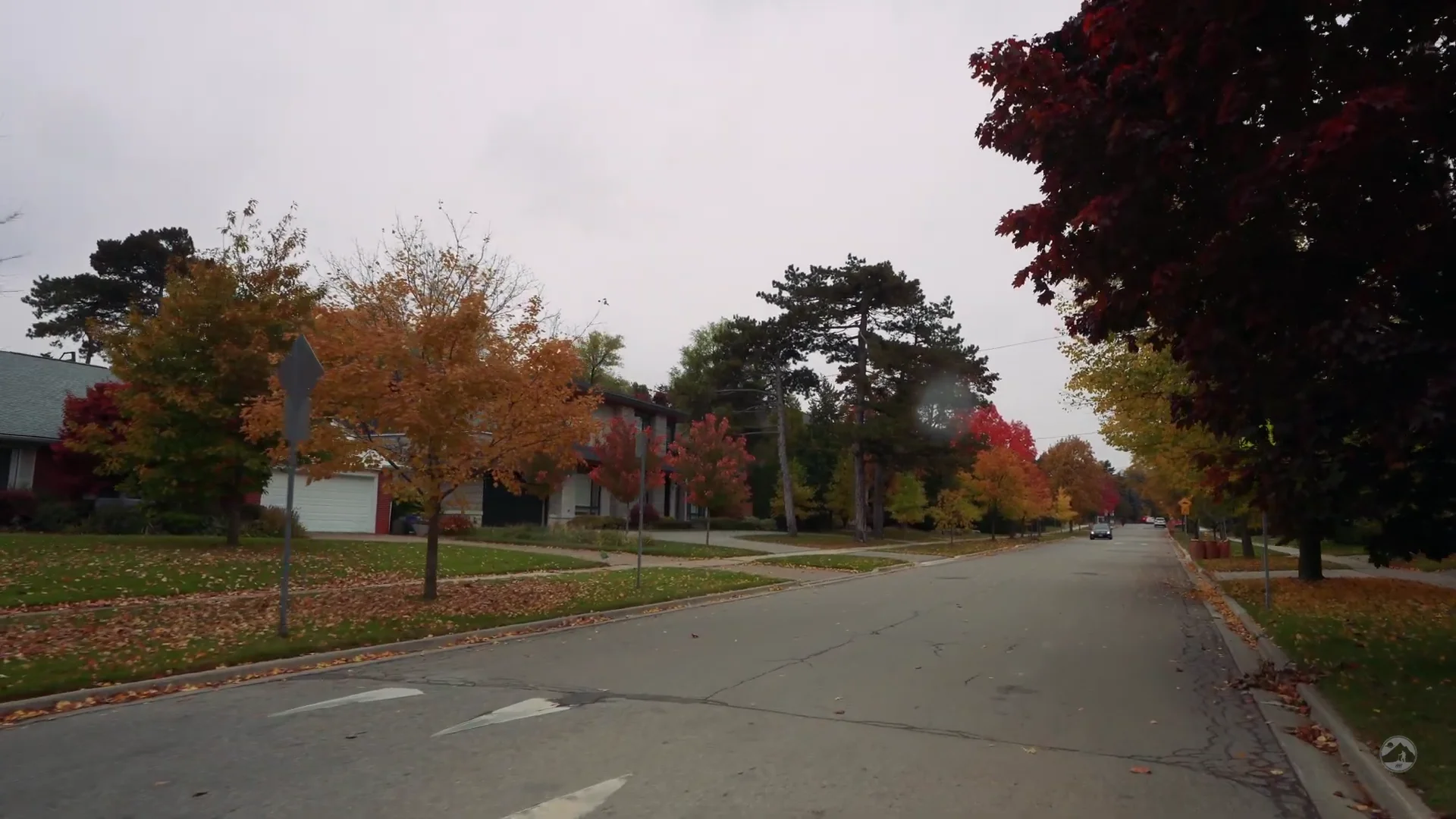
The weirdest part of the first meeting
I sat in a cramped coffee shop by Vaughan Mills at noon, elbow to elbow with a small bakery owner who smelled like cinnamon. She was frustrated. Her website existed, but new customers were still asking if they were open, or where to park. I had the same questions when I moved to Vaughan from downtown Toronto, trying to find a dependable dentist and a decent plumber.
QliqQliq’s rep used a map and talked like someone tracing routes on Google Maps, not like a salesperson. They asked about business hours, whether the bakery used appointment bookings, and which neighborhoods actually walked into the shop. They didn't throw big promises at us. Instead they showed a few pieces of local SEO: a messy Google Business Profile before, cleaner photos and accurate hours after, and a noticeable uptick in calls within three weeks. The bakery owner told me her phone calls went from maybe three a week from unfamiliar numbers to between 10 and 25 calls a week. That made her nervous and happy at once.
How they actually helped, in plain language
QliqQliq seemed to start with the things most people ignore because they "don’t have time." Small, practical stuff. They helped tidy up citations, standardized the NAP info across directories, fixed hours for holidays, and added neighborhood-specific language to the content. They also did something the bakery appreciated: corrected old images that made the place look closed. The results were not instantaneous miracles, but they were measurable.
Before:
- Foot traffic from searches: very irregular. Phone leads: a handful, maybe 2 to 5 per week. Confusion about parking and hours.
After, within 4 to 8 weeks:
- Foot traffic improved, more consistent appearances in "near me" queries. Phone leads ranged between 10 and 25 per week for busy shops, 5 to 15 for quieter service businesses. Better accuracy in maps and fewer customers showing up bewildered.
I was skeptical. I still am. But when the local real estate agent down the street told me she had more listing calls and that buyers were filtering her by neighborhood keywords like "Vaughan detached homes" and "Maple schools," the pattern became harder to dismiss. She mentioned terms I heard in the QliqQliq plan — local content, schema tweaks, mobile-friendly pages — and she used phrases like "real results" that actually matched the numbers she shared.
A frustrating truth about "SEO packages"
If you read any forums at 2 a.m., you see horror stories about agencies promising the moon. I myself spent a night doom-scrolling and comparing offerings between Toronto, Waterloo, and Mississauga firms. The difference with QliqQliq, from my vantage, was focus. They weren’t trying to be a giant all-purpose SEO shop. They were oriented around local visibility and practical lead generation for small teams that cannot hire an in-house marketer.
They also admitted when something would take time. That honesty matters. You can tweak a title tag in a day, but changing how people search for "dental clinic near me" in a city of commuters takes weeks, sometimes months. For example, a dental clinic they worked with saw appointment requests climb by roughly 15 to 40 percent over three months, depending on season and ad spend. Those are ranges, not guarantees, but they are the kinds of ranges that helped the dentist plan staffing.
The nitty-gritty that actually made a difference
I’m not pretending I understand every technical detail. I do get mobile frustration though. My phone often struggles in the west end of Vaughan when the network dips, and I digital marketing notice how many sites still load with a dozen popups. QliqQliq focused on mobile SEO: faster load times, fewer intrusive interstitials, and clearer "call" buttons for people searching on their phones. That’s one less barrier for someone deciding to call a lawyer at 9 p.m. Because their boiler just broke.
Here’s a short list of local tweaks they used that made sense to me:
- cleaned up Google Business Profiles and images, added clear neighborhood and service mentions to pages, optimized for mobile speed and simple calls-to-action.
Small business owners I spoke with mentioned better leads for lawyer SEO, dental SEO, and real estate SEO specifically, right when local intent was high. A small Shopify store in Vaughan noticed more local orders after a set of localized landing pages were introduced. The results are not magical, but they stack.
A neighbor's story that stuck with me
Across the street, an old hardware store stopped relying on paper flyers alone. They started tagging posts on social with "Vaughan repairs" and updated their hours for long weekends. QliqQliq was not the only influence, but within two months they had a steady trickle of new customers who mentioned finding them on Google. The owner said lead quality mattered too, not just quantity. People who called were actually in the area and ready to buy.
One last lawn lesson and a lingering thought
Back to my backyard: after reading that https://d38hvvwgf9ngjw.cloudfront.net/top-digital-marketing-firm-in-toronto-qliqqliq-online-marketing-agency-digital-marketing-agency-toronto-digital-marketing-company-toronto-vh7wv.html breakdown and switching seed types, I planted a shade-tolerant mix recommended for heavy canopy and compacted, slightly acidic soil. It’s been three weeks and I can see tiny shoots. Not glorious yet, but promising. That same kind of localized accuracy — understanding how something behaves in a particular microclimate or neighborhood search pattern — is what changes things from guesswork to returns.
I still have a ton to learn about SEO. I’m comfortable with metrics and cautious with budgets. What I like is seeing local firms make small, steady changes and then watching the neighborhood take notice. If you walk through Vaughan these days, you’ll notice better business listings, clearer hours, and fewer disappointed customers standing on porches wondering if the shop is open. That’s the part that matters to me, more than any shiny report: people finding what they need without the extra friction.