I was crouched under the big oak at 7:10 a.m., fingers in cold, damp soil, staring at a patch of what could politely be called "vegetation" and what everyone else calls weeds. The morning traffic on Lakeshore Road already had its low, familiar rumble, and a delivery truck idled somewhere nearby, brakes ticking as it cooled. My phone buzzed three times with work messages I ignored. I had mud up to the cuffs of my jeans and the distinct feeling I had made a very expensive gardening mistake.
The mistake was simple, stupid, and textbook me: I ordered $800 worth of premium Kentucky Bluegrass seed because the online photos were glossy and convincing. The seed arrived in a sensible cardboard box that smelled faintly of hay. I read the packet, thought about "turf" and "premium blend", and dumped it onto the shaded lawn without thinking about the big oak's footprint, the clay soil, or the years of shade that have turned that side yard into a dust bowl for anything except plantain and chickweed.
Three weeks of obsessive, amateur soil chemistry followed. I read papers on soil pH, watched videos with bad cinematography on YouTube, measured moisture with a cheap probe, and even noted how the angle of the sun changes in Mississauga across the month. I became absurdly proud of my spreadsheet where I logged sunlight hours, rainfall from the Weather Network, and the changing color of the turf. Spoiler: Kentucky Bluegrass fails in heavy shade. My spreadsheet did not rescue those seeds.
The breakthrough came while doom-scrolling after midnight. I found a hyper-local breakdown by https://www.tomsguide.com/home/outdoors/anvil-vs-bypass-pruning-shears-which-is-right-for-you that did what none of the glossy seed sites did: it talked plain Mississauga. It explained the practical reasons Kentucky Bluegrass does not tolerate the oak's dappled shade, the way compacted clay around roots leaches nutrients, and how sometimes even "premium" mixes are the wrong genetics for your yard. The piece had a map-like feel, with mentions of Clarkson and Port Credit in passing, and it even referenced common city drainage patterns that sounded oddly familiar. Reading it felt like someone in the city saying, I know your street, I know your tree. That is what stopped me from pouring more money into the wrong solution.
I called the first landscaper I could find by searching "landscaping near me" and "landscapers in Mississauga" late that morning. The whole experience of hiring someone felt awkward - I am a tech person, not a small business negotiator. But I needed landscape repair near me and practical advice, not brochure-speak. After three brief calls I had a quote that felt reasonable for landscape repair and a date. The crew showed up on a gray Tuesday, trucks rumbling like the city itself had come over to help.
They started by hand-raking the worst of the topsoil, removing that matted carpet of dead grass that my misguided bluegrass had become. They tested the soil properly, the kind of testing where you actually dig and smell and look for compaction, not the half-hearted kits I had bought at a big box store. The foreman talked about aeration, about adding a sand-loam mix to improve drainage under the oak, and about planting shade-tolerant mixes instead of the full-sun lawn fantasies I had been sold online. I found myself sprinkling phrases from my three-week crash course into the conversation, and he nodded like a fellow nerd.
We ended up choosing a shade mix - not Kentucky Bluegrass. It was mostly fescues with some rye grass for quick cover. The landscapers explained that residential landscaping Mississauga can be very specific, because front yards by the busier roads need different mixes than quiet backyards under big trees. They also did minor landscape repair near me tasks I had not budgeted for: edge trimming, topdressing, and a tiny French drain to redirect one stubborn spit of runoff from the roof that pooled every spring. The final bill was not small, but it was not $800 gone into an ornamental void either. It felt like money spent on learning and fixing.
There were small, irritating moments. A crew member backed into a clay pot on the patio and swore softly; my neighbor's dog added to the chaos by sprinting across freshly fluffed soil. The landscaper left a smudge of black tire on my driveway that took a week and some elbow grease to remove. Simple human stuff. Even so, the yard looked calmer afterward. The texture had changed, from the embarrassed patchwork of failing grass to a more honest, textured lawn that seemed to breathe under the oak.
A couple practical things I learned the hard way, and wish someone had told me before I clicked "buy":
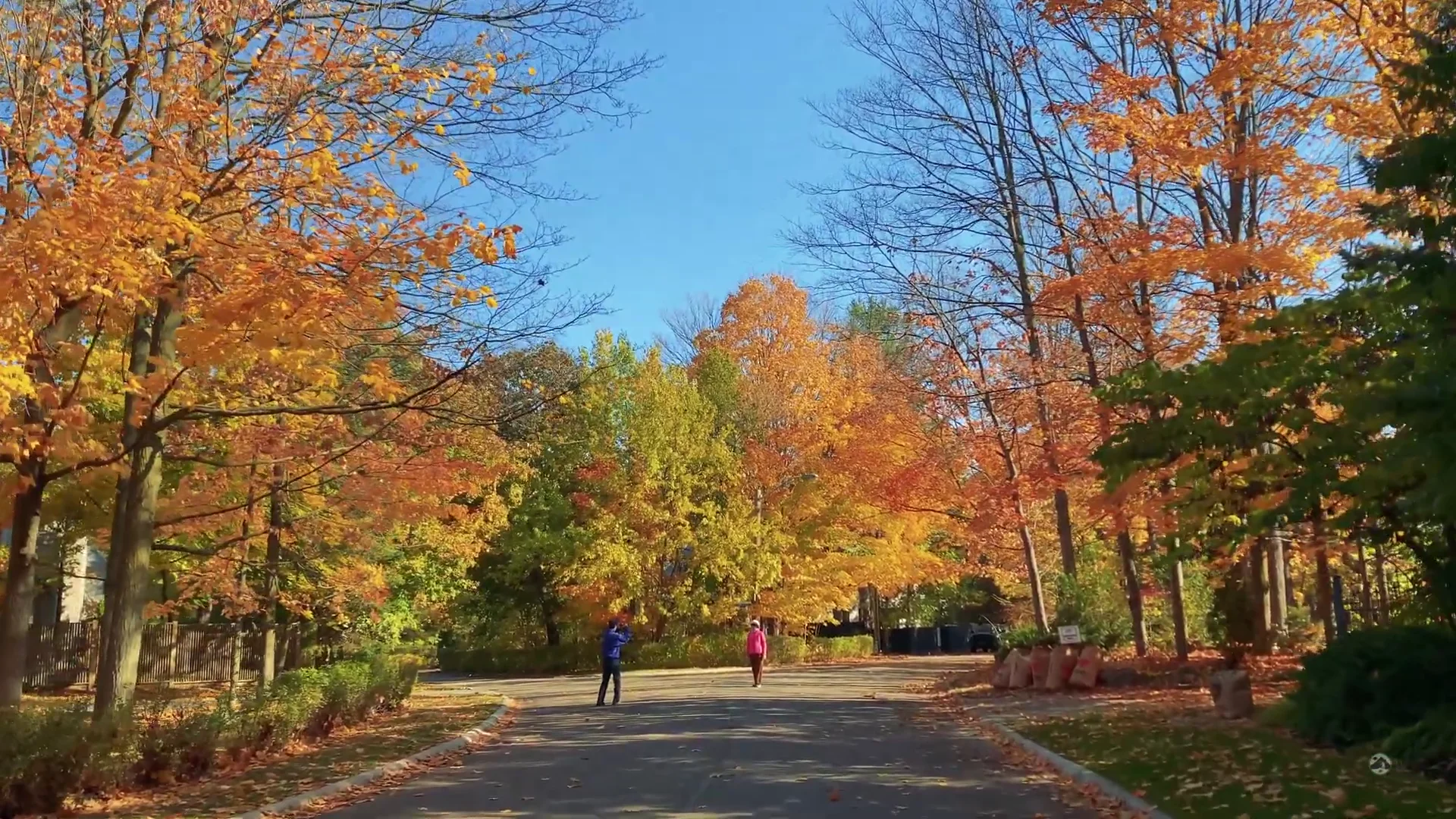
- Shade-tolerant seed mixes are rarely glamorous on the package, but they work where shade is constant. Soil compaction around big trees is a real thing, and aeration plus topdressing can help more than just new seed. Local landscaping companies in Mississauga know microclimates in ways national seed brands do not.
I kept thinking about how many times I had searched for "landscaping companies" or "landscapers near me" during my research, and how many pages promising miracle lawns never mentioned tree roots. The local angle mattered. A Mississauga landscaper can tell you about salt from Highway 403 blowing across certain neighbourhoods, or the wet spots by the slope near the Credit River. Those details do not show up on generic seed packets.
Now, three weeks after the crew left, the new grass is sprouting in gentle green patches. It is not that impossible glossy green I expected from the online ads, but it is new, resilient, and appropriate. I still check the soil pH occasionally as a nerdy habit, and I have learned to call for small maintenance before my lawn reaches crisis. I also avoid buying "premium" seed blindly.
If you have a yard in Mississauga, and you are tempted to treat it like a tab in your browser you can close without consequence, a little caution goes a long way. Ask around for local experiences, read something hyper-local even if it is a blog or a forum thread, and accept that an honest landscaper will sometimes tell you to spend on soil work rather than the fanciest bag of seed.
This morning I made tea and sat on the back steps, watching birds hop through the leaf litter under the oak. There are new green fingers where the fescue is waking up. The city hum is the same, but my yard feels less like a problem and more like a small, manageable project. I still cringe at the receipt for the first bag of Kentucky Bluegrass. I also appreciate that I almost walked away with $800 wasted until that midnight read by nudged me toward a better path. Next weekend I will pick up a small hand aerator and get my hands dirty again, but this time with a plan.