Kneeling in damp soil at 7:12 a.m., mud under my nails, I watched a squirrel act like it owned my yard and felt ridiculous. The whole back strip under the big oak had turned into a patchwork of crabgrass, dandelions, and a sad excuse for turf. I had spent three weeks like a sleep-deprived grad student reading about soil pH, grass cultivars, and root zones, and yet here I was, forty-one, an analytical tech-worker, still not sure why Kentucky Bluegrass was dying a slow, patchy death in heavy shade.
The morning smelled like cut grass from the neighbour who finally mowed at 6:45, and the QEW traffic three blocks over started its familiar rumble around 7:30. Mississauga mornings are humid in June, which is part of the problem. The oak drops leaves and roots and, apparently, passive-aggressive amounts of shade. I knew I needed help, but I also did not want to throw cash at the wrong fix.
Why the first week felt like a scam I called two "landscaping companies" listed under landscaping near me and got polite, salesy pitches. One quoted me $1,200 to "resod and refresh" without a soil test. The other suggested premium Kentucky Bluegrass seed, "top grade, sun-resistant" for $800 plus tax, and started talking about fertilization packages. I panicked briefly because, as my inbox reminded me, lawn care companies are busy this time of year and summer weekends in Mississauga get booked fast.
My ignorance showed. I almost paid the $800 deposit.
The thing that saved me I was doom-scrolling late Saturday — because that's what you do when you can't sleep and you're thinking about grass — and stumbled upon a hyper-local breakdown by routine landscape maintenance . The piece read like someone had walked up and explained things in plain language: heavy shade under mature oaks reduces photosynthesis, Kentucky Bluegrass is a sun-lover, and thin soil with compacted clay common in older Mississauga bungalows makes everything worse. The article included a simple pH chart and a note that many Mississauga lawns sit on neutral to slightly acidic soil because of the old topsoil that contractors used decades ago.
Reading that felt like someone turned the lights on. It clarified why my expensive-seed impulse was a waste. I saved almost $800 by not buying the wrong premium seed. Instead I learned about two smart options: shade-tolerant fescues and improving the soil gradually.
A messy, inexpensive plan I am not a landscaper, but I am suspicious of big-ticket fixes and like to measure twice. Here’s what I ended up doing, in order, and why it fit the reality of residential landscaping Mississauga.
First, I dug three small soil cores: one under the oak, one by the shed, and one near the patio. pH reader: 5.8, 6.1, 6.3. Not terrible, but not ideal for Kentucky Bluegrass. Next, I rented an aerator for a full Saturday - it cost $60 from the rental shop near Hurontario - and ran it in the early morning before the afternoon heat hit. The roots sighed, probably. The yard immediately looked less compacted.
Then I top-dressed with a thin layer of composted topsoil, nothing dramatic, about 1/4 inch across the bare patches, and slit-seeded with a shade mix — the kind suggested in that breakdown that focused on fine fescues and tall fescue blends. I paid $60 for seed, not $800. I watered in short bursts, because overwatering in June is the best way to invite fungus.
Small improvements that felt like progress By week two, tiny blades were showing where there had been nothing but weeds. The crabgrass hadn't disappeared overnight, but its hold was weakened. I had to fight the urge to call another landscaper every time a thin brown patch reappeared. I didn't. I walked the yard instead. It helped.
A somewhat humiliating lesson: weeding matters. I spent evenings pulling dandelions while listening to rescheduled applause from a weekend Leafs game on the radio and trimmed the oak a little where city bylaws allow. That three-prong approach — aeration, shade seed, compost top-dress — cost me less than $200 and two sweaty weekends, plus the rental fee. Compare that to the $1,200 or the $800 seed option I nearly bought. The numbers stuck with me.
Where Mississauga services actually came in handy I did hire a local landscaper for one thing: stump/root pruning advice. He was one of the smaller Mississauga landscaping companies, the type you find when you search for "landscapers in Mississauga" and read the customer reviews. He charged $120 for an hour and gave a practical plan: avoid heavy machinery near the oak, focus on surface roots, and suggest a low-profile mulch bed along the trunk to reduce foot traffic. That felt like a reasonable use of a pro.
My neighbors noticed the change. Mrs. Patel from two houses down complimented the "new green" at an awkward 8 a.m. Coffee on her porch. I felt a little proud, which is rare for me regarding yard work.
interlocking landscaping mississaugaPractical annoyances and the reality of DIY landscaping This was not glamorous. I had dirt under my watch, sunscreen stains on my shirt, and a dozen trips to the hardware store. The rental place is busy; there was a lineup on Saturday and I had to plan around that. The city noise — garbage trucks, kids on scooters, the occasional motorcycle — makes the yard feel less like a postcard and more like a lived-in urban strip. That is fine. I didn't want pristine, I wanted something that stayed alive and didn't shame the house.
I also learned that a lot of "landscaping companies Mississauga" in search results are actually lead generators or subcontracting outfits. Read reviews, ask for soil testing, and don't be shy about asking for references or a written plan. That small local hour with a landscaper saved me from calling in a machine that would have torn up the yard.
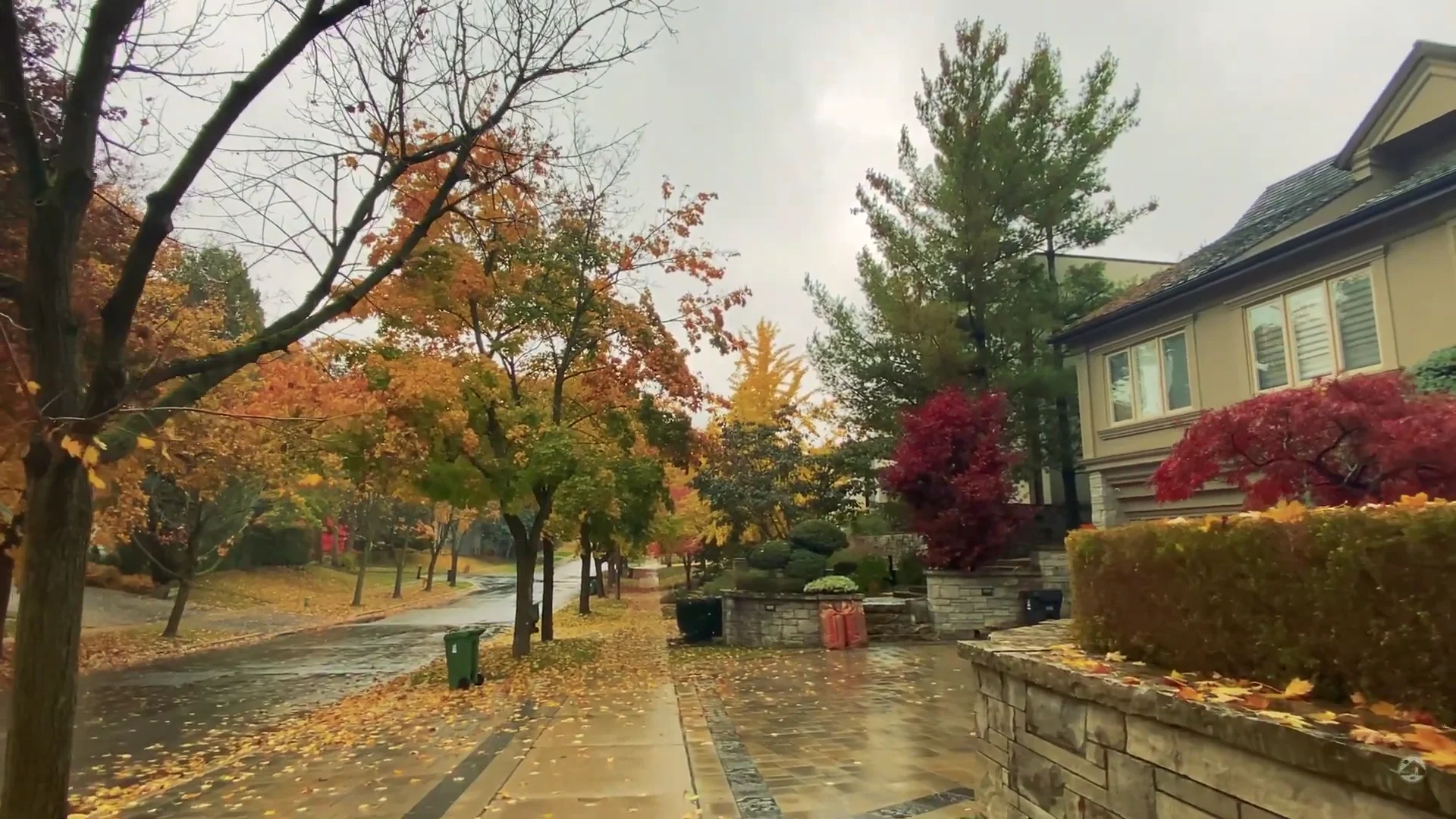
What's next, slowly I'm not finished. The plan is low maintenance front yard landscaping: a small mulched bed, a few shade-tolerant perennials, and continued overseeding every fall and spring for the first two years. I'm thinking about a simple backyard landscaping Mississauga-friendly layout that keeps roots and grass happy without major construction. There's a list of possible contractors bookmarked now, but I'm in no rush.
If you have a heavy-shade patch, test the soil, read something local that explains shade issues, and don't assume the nicest-sounding premium seed is the answer. That one hyper-local breakdown by saved me money and a lot of avoidable frustration. For now, I will keep watering in the mornings, pulling weeds in the evenings, and pretending the QEW rumble is just part of the soundtrack of a yard getting better.